Notes & Meditations
Considered writing on scripture, doctrine, and the ordinary Christian life.
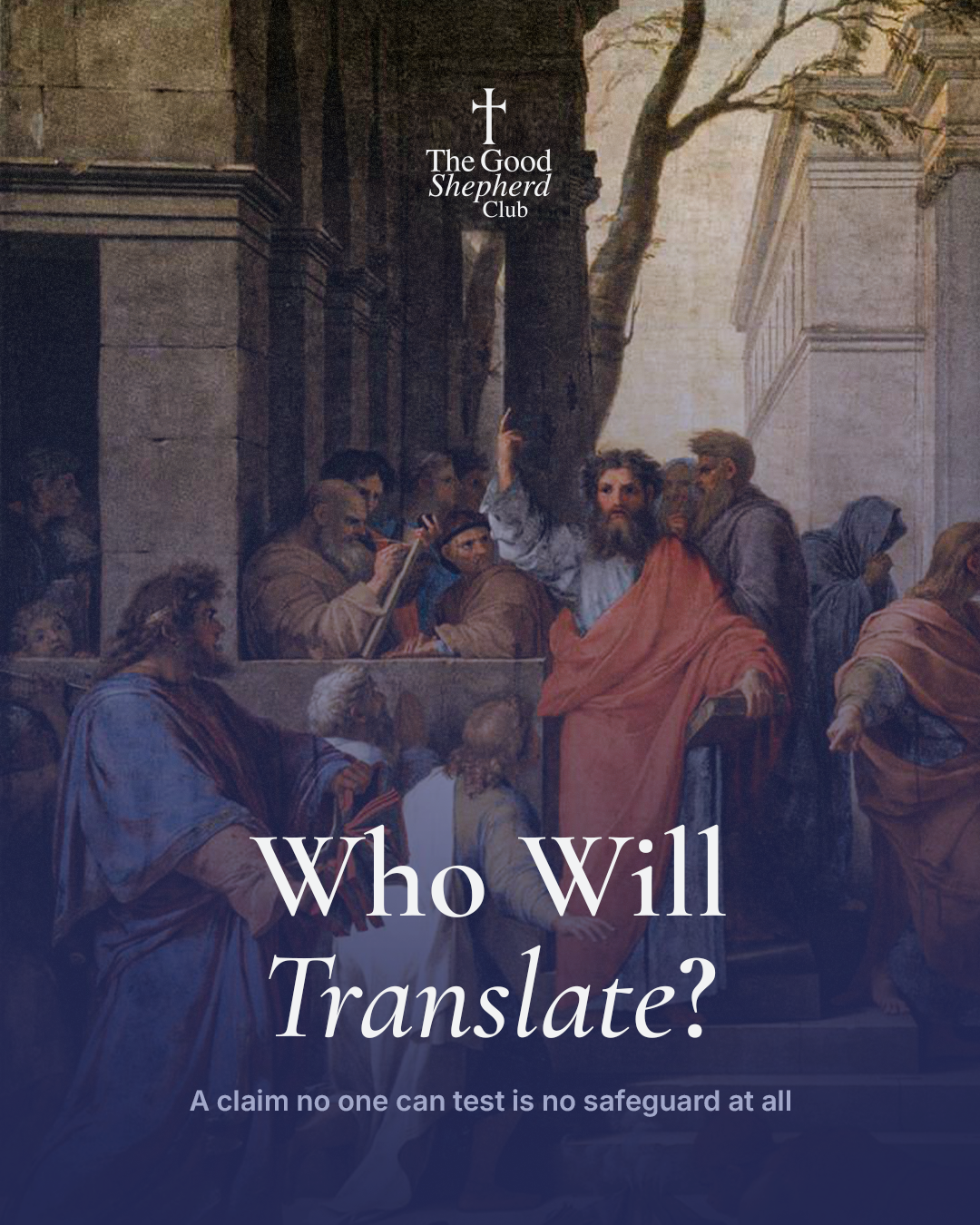
Who Will Translate?
Paul never lets a tongue stand alone. He binds it to translation and commands silence where no translator is present. But if the tongue is the kind no human tool can reach, who could translate it now — and how would you ever know he spoke truly? With no apostle to confirm it and no rule in Scripture to test it against, the claim cannot be checked. This is my own reasoning, offered plainly: a gift we cannot test, we cannot trust. And above every gift stands the greater thing — that whatever we do, we do it in love.
Satan's Tradition vs. God's Word
Jesus never looked the other way when the word of God was set aside for tradition. In Matthew 15 He confronts a religion that honors God with the lips while clinging to the commandments of men. A study of the Corban loophole, the way tradition still cancels God's word today, and a plea to weigh every practice against the living word of God.
Knowing Our Place
Take away the knowledge of our Creator and nothing is liberated. We are demoted to the only creature on earth that does not know what it is. Biology explains what we are made of, and explains it well — but asked what we are, it hands back a sophisticated animal, and every honest person feels the answer come up short. We reached the top of the food chain and did not stop there. We kept looking up.
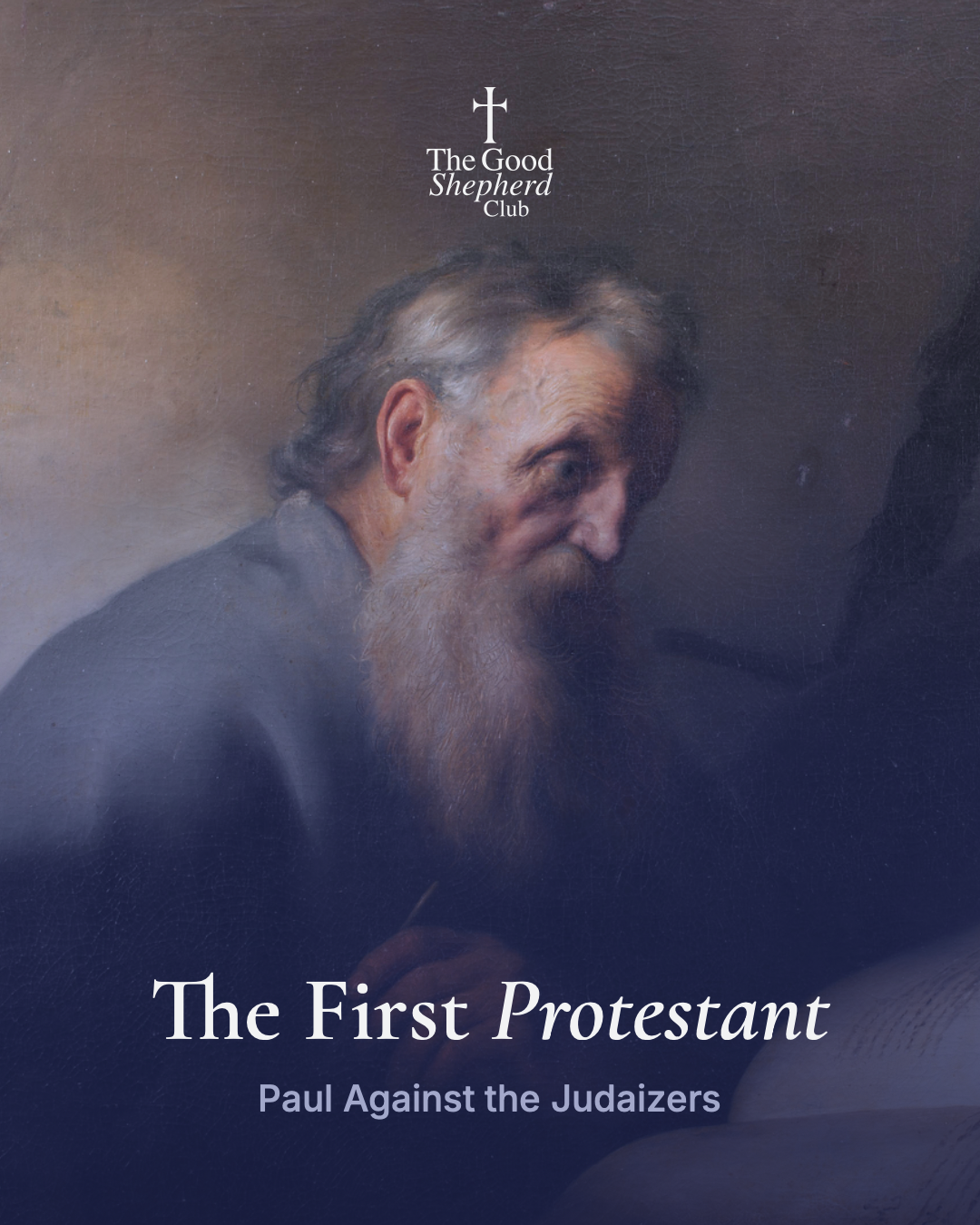
Paul Protested First: The Apostle Who Defended the Gospel
There is a certain irony hiding in the word Protestant. We tend to date it to the sixteenth century — to Wittenberg, to a nailed-up list of grievances, to a monk who could no longer keep silent. But the instinct that word names is far older. To protest is to stand up when the gospel is being tampered with and refuse to let it pass. And by that measure, the first Protestant was not Martin Luther. It was the apostle Paul.